






Understanding crypto is one thing.
Owning it safely is another.
This guide walks you through the essentials of buying, storing, and protecting your digital assets — without getting lost in technical jargon.
Because in crypto, the number one rule is simple:
You are your own bank.
Step 1: Choosing Where to Buy
The easiest way to buy crypto is through a reputable exchange — a platform that lets you convert regular money into digital assets.
Well-known, regulated options include: Coinbase, Kraken, Gemini, and Uphold.
These platforms are designed for beginners and follow strict compliance and security rules.
When you create an account, you’ll complete a short KYC verification (Know Your Customer). Once verified, you can deposit funds via:
- Bank transfer
- Debit card
- Apple Pay (on supported platforms)
Then you’re ready to buy Bitcoin, Ethereum, XRP, or any approved crypto asset.
Tip: Start small — even $20 is enough to learn how buying and transactions work.
Step 2: Understanding Wallets
Once you own crypto, the next question is: Where do you keep it?
That’s where wallets come in.
A crypto wallet is a tool that stores your private keys — the secret codes that prove ownership of your assets on the blockchain.
There are two main types of wallets:
1. Hot Wallets (Online)
Connected to the internet and great for daily use. Examples: Coinbase Wallet, MetaMask, Trust Wallet
- Easy access
- Slightly more vulnerable to hacks
2. Cold Wallets (Offline)
Hardware devices that stay completely offline. Examples: Ledger, Trezor
- Maximum security
- Less convenient for quick transactions
If you plan to hold crypto long-term, a cold wallet is your safest option.
Step 3: Securing Your Keys
Crypto is built on one fundamental rule:
Not your keys, not your coins.
If your crypto is stored on an exchange, you’re trusting that company to protect it. If the exchange is hacked or shuts down, your funds could be at risk.
When you hold your own keys in a wallet, you gain full control — and full responsibility.
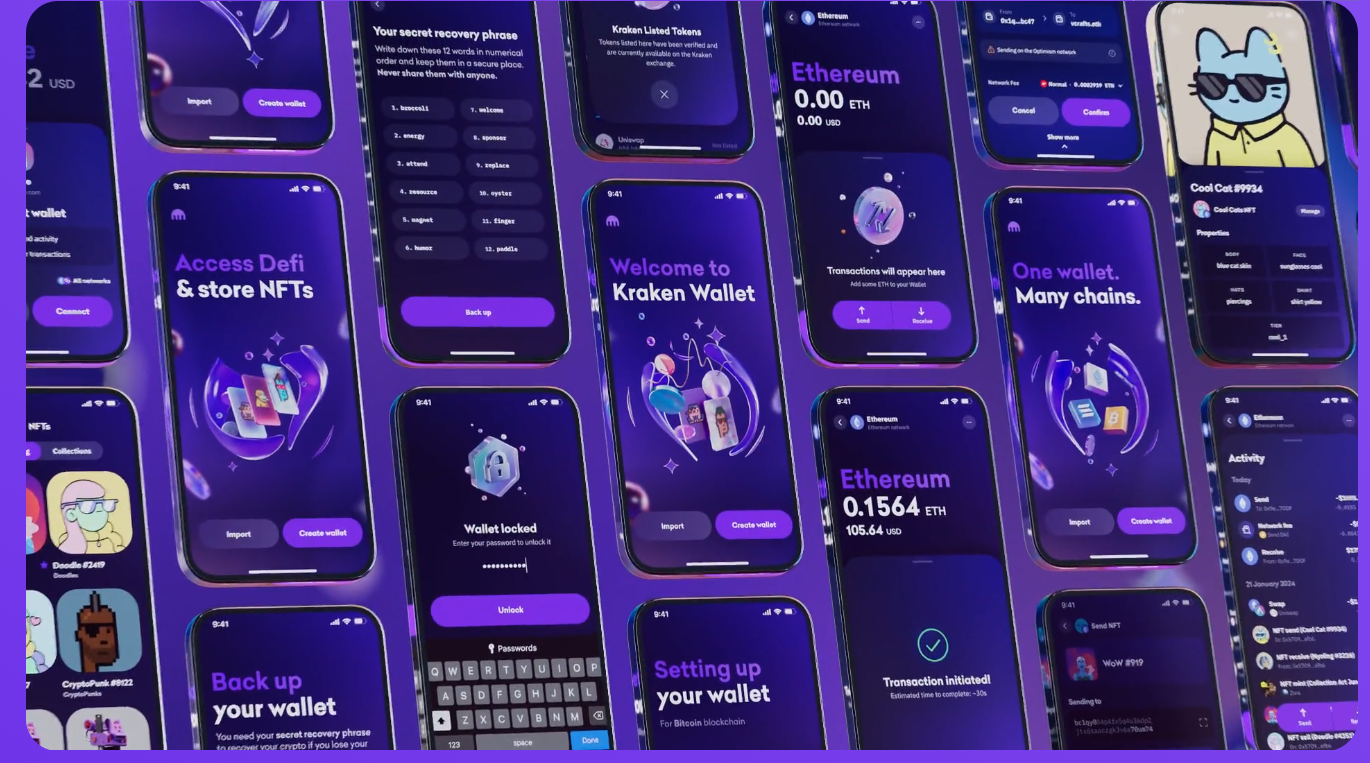
Your wallet gives you a recovery phrase (12 or 24 words). This phrase is your master key.
Do this:
- Write it down on paper.
- Store it in a safe, offline place.
- Keep two copies in different secure locations.
Never do this:
- Take a screenshot
- Save it to the cloud
- Share it with anyone
If someone gets your recovery phrase, they own your crypto. If you lose it, your funds are gone forever.
Treat it like your digital safe combination — and guard it like gold.
Step 4: Avoiding Common Mistakes
Most crypto losses don’t happen because of hacks —
they happen because of simple human errors.
Here are the top mistakes to avoid:
- Sending crypto to the wrong address
- Falling for phishing links or fake giveaways
- Forgetting your recovery phrase
- Using weak passwords or no two-factor authentication
Best practices:
- Always double-check wallet addresses before sending.
- Enable 2FA (Two-Factor Authentication) on every exchange or wallet.
- Use secure, updated devices for all crypto transactions.
Step 5: Building a Safety Routine
Once you’re set up, treat your crypto like a real financial asset.
- Review your wallets monthly
- Keep two backups of your recovery phrase
- Stay informed — scams and phishing tactics evolve constantly
The more seriously you handle your crypto, the more naturally digital ownership becomes part of your life.
Final Thought
Buying crypto isn’t the hard part — keeping it safe is.
Once you understand how wallets, keys, and security work, you’re not just an investor — you’re part of a new system where you own your wealth completely.
That’s the true power of blockchain. It removes permission, but it also removes excuses.
You no longer have to trust someone else to protect your money — because now, you can.