The Future of Finance: Tokenization Explained
What if you could own a piece of a skyscraper, a gold bar, or even a music catalog — all from your phone That’s not a dream. It’s the next phase of global finance. And it’s powered by tokenization.
What Is Tokenization?
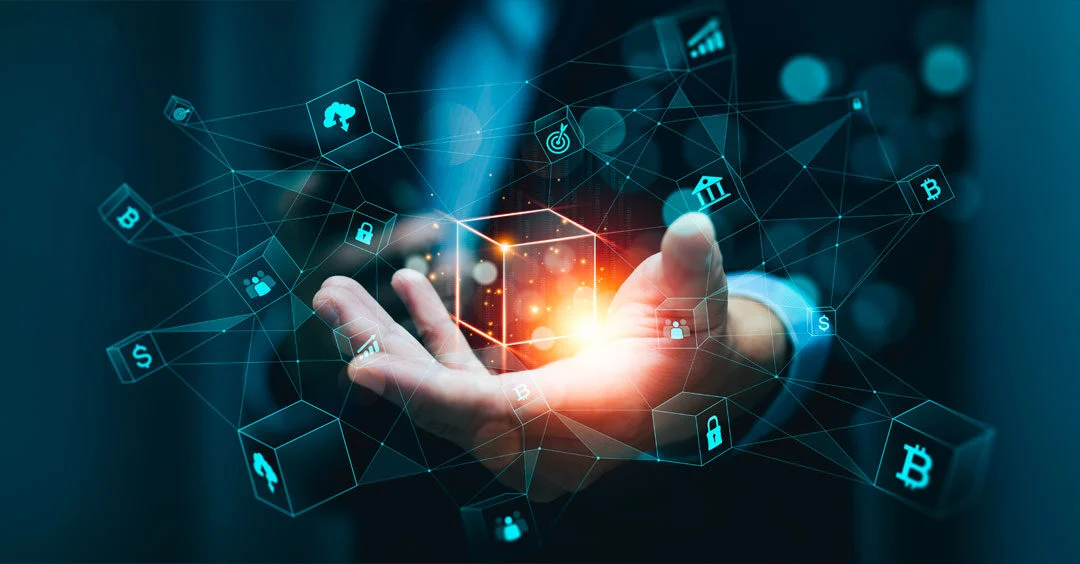
Tokenization means converting real-world assets — like real estate, stocks, art, or commodities — into digital tokens that live on a blockchain. Each token represents ownership or a fraction of that asset.
Example:
If a $10 million building were tokenized into 10 million tokens, each token could represent one tiny share of that property.
You could then buy, sell, or trade those tokens instantly — just like stocks — but without brokers or banks slowing things down.
Why It Matters
The traditional financial system runs on:
- Paperwork
- Waiting periods
- Middlemen
Buying real estate can take weeks.
Moving international assets takes days.
Trade settlements can require multiple intermediaries.
Tokenization removes all that friction.
When assets live on a blockchain, ownership and settlement happen at the speed of the internet — securely and transparently.
It’s faster. It’s cheaper. It’s smarter.
Real Examples Already Happening
This isn’t a theory — it’s reality.
- BlackRock and Franklin Templeton are issuing tokenized funds on public ledgers.
- Citibank and JPMorgan are testing tokenized Treasury bills and repo markets.
- Governments in Singapore, Japan, and others are exploring tokenized bonds and trade finance.
These aren’t small startups. These are trillion-dollar institutions building the rails of a new, digital financial system.
How It Works
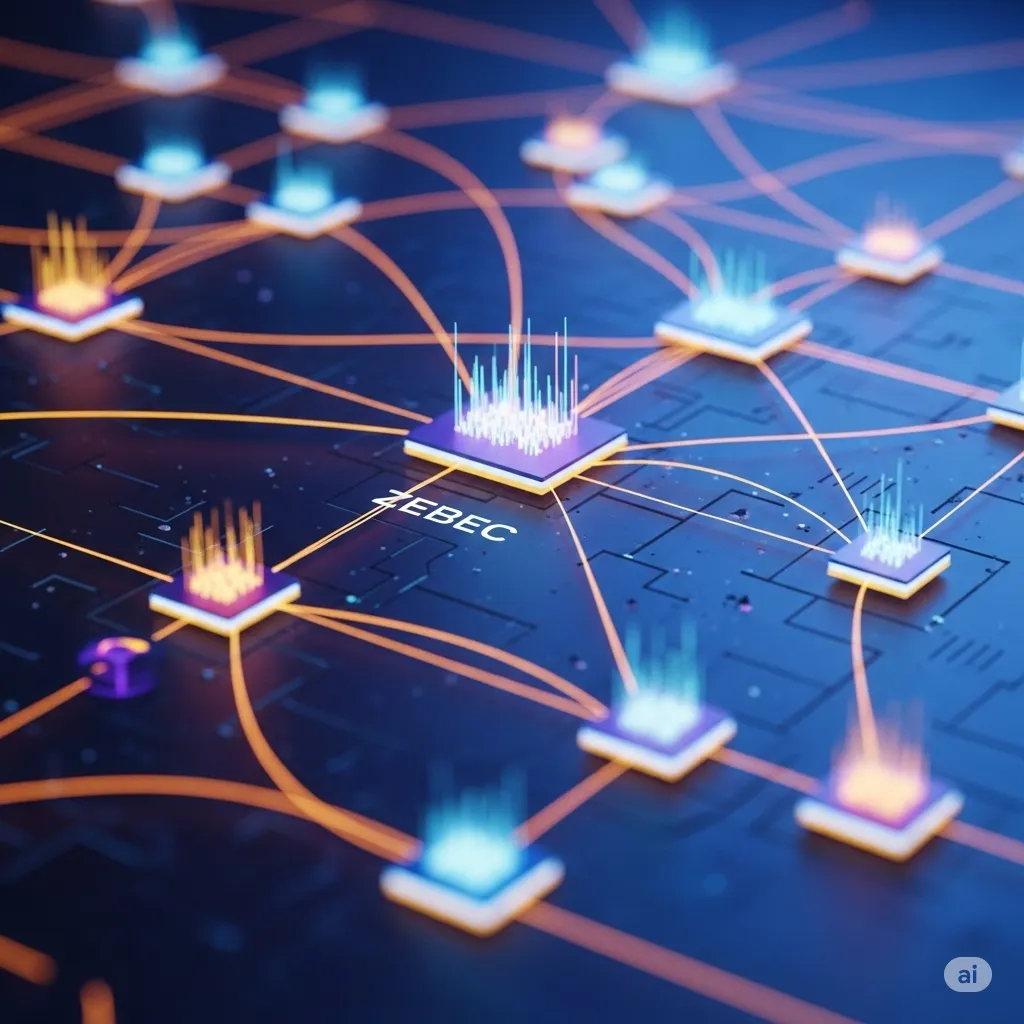
At its core, tokenization blends three key components:
- Real Asset — a stock, bond, property, or commodity.
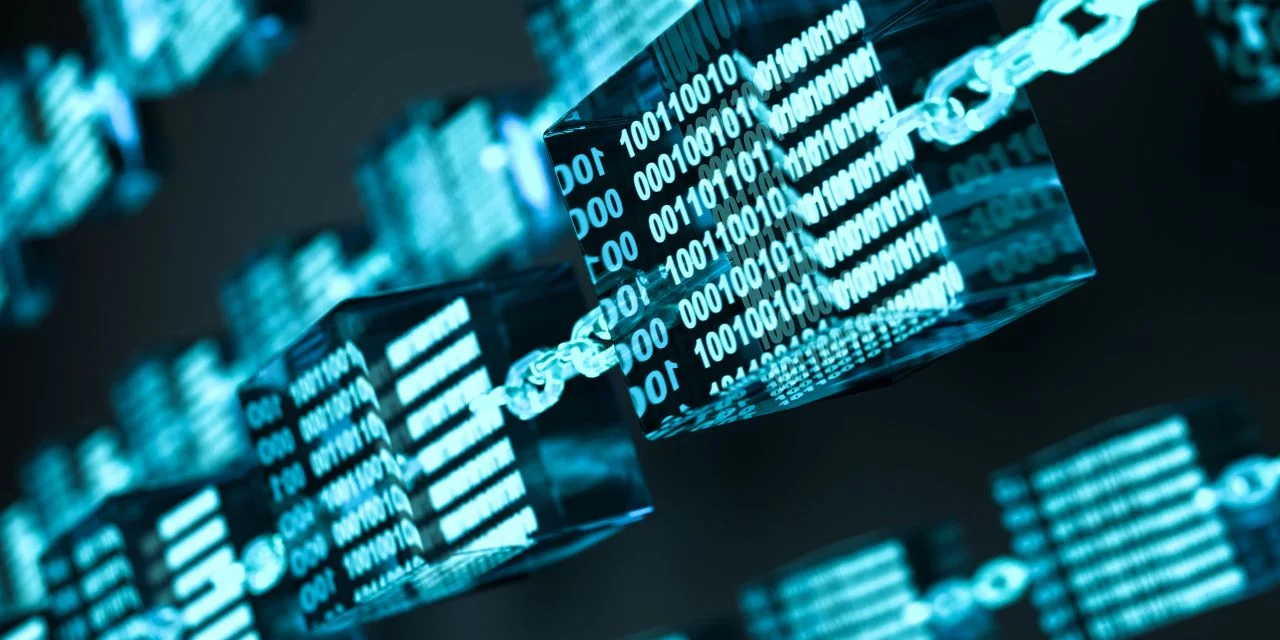
- Blockchain Ledger — the system that records who owns what.
- Smart Contracts — automated code that enforces the rules (interest, payouts, transfers).
Once an asset is tokenized, it can be divided, transferred, or traded 24/7, without clearing houses, custodians, or complex paperwork. That’s why tokenization is often called the “Internet of Assets.”
The Role of XRP, HBAR, and Others
Not all blockchains can handle tokenized finance. It requires speed, security, and compliance — features found in:
- XRP Ledger (XRP)
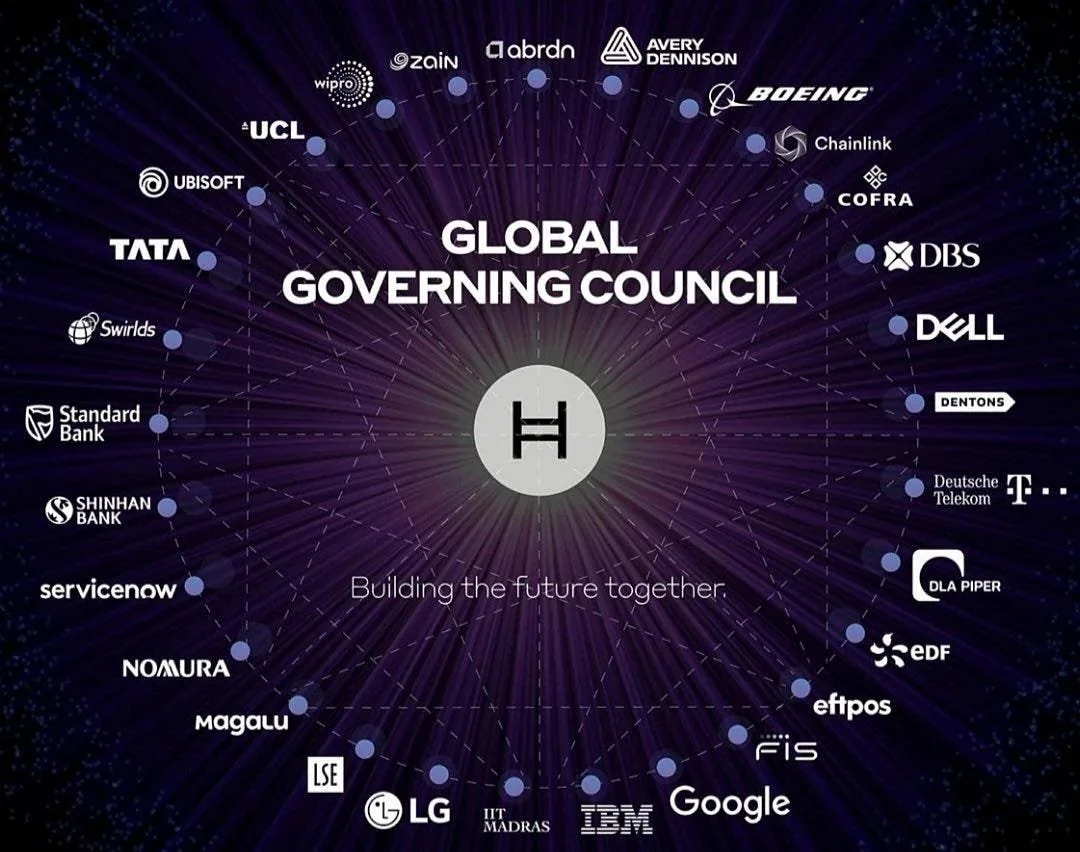
- Hedera (HBAR)
- Stellar (XLM)
These networks are already powering tokenized U.S. Treasuries, stablecoins, and cross-border payments.
They’re fast enough for real-time finance and secure enough for institutions — the meeting point between Wall Street and Web3.
What It Means for Everyday People
Tokenization will do for assets what the internet did for information — make them open, shareable, and accessible to everyone.
Soon, you won’t need to be a millionaire to invest in:
- Real estate
- Fine art
- Private equity
- Collectibles
You’ll be able to own fractions, earn passive income, and trade instantly — all from your phone.
Finance becomes democratized. Wealth becomes shareable.
That’s the real revolution.
Final Thought
Tokenization isn’t just the future of crypto — it’s the future of everything of value.
From money to music, from property to patents, the world is shifting to digital ownership — verifiable, divisible, and transferable without friction.
It’s not about creating new assets. It’s about making old ones smarter, faster, and fairer.
The transformation has already begun. Those who understand it early will thrive in a world where everything can move like money.