





Blockchain: The Engine Behind Bitcoin
If Bitcoin is the headline, blockchain is the story underneath.
Most people hear the word and think of coins, charts, and trading.
But blockchain isn’t just about money — it’s a new way to record truth in the digital world.
The Ledger That Changed Everything
Imagine a shared notebook that everyone can see but no one can erase.
Every time someone writes in it, everyone else gets an instant copy.
That’s the basic idea of a blockchain.
Each page in the notebook is called a block, and every block is filled with verified transactions or data.
When a block is full, it’s linked to the one before it, forming a chain that grows forever.
That’s where the name comes from: block + chain.
Once something is written in this chain, it stays there permanently.
You can add new information, but you can’t rewrite the past.
Why Blockchain Exists
Before blockchain, we relied on central authorities to verify things:
- Banks verified payments.
- Governments verified identity.
- Companies verified records.
But centralization always carries risk.
If one database gets hacked, the whole system can fail.
If one person is corrupt, the data can be changed.
Blockchain removes that single point of failure.
It replaces “trust me” with “verify it yourself.”
The Power of Consensus
Here’s how it works:
Instead of one company running a database, thousands of computers all over the world hold copies of the blockchain.
When a transaction happens, those computers work together to agree — through a process called consensus — that the transaction is valid.
Once a majority agrees, the transaction is added to the next block and broadcast to everyone.
It becomes part of the permanent record.
This makes blockchain systems nearly impossible to fake or hack, because no single computer controls the data.
Beyond Bitcoin
Bitcoin was the first use of blockchain technology — but it was only the beginning.
- Ethereum used it to run smart contracts — self-executing agreements written in code instead of paper.
- Ripple built it to move money across borders in seconds using the XRP Ledger.
- Other blockchains now track everything from supply chains to medical records to property ownership.
The possibilities stretch far beyond finance.
Wherever we need trusted data, blockchain can help.
The Three Pillars of Blockchain
Every blockchain system is built on three core ideas:
- Transparency – Everyone can see the transactions.
- Security – Cryptography keeps the data tamper-proof.
- Decentralization – No single authority can control or shut it down.
Together, these principles make blockchain a revolution in how humans agree on truth.
Why It Matters
In a world filled with misinformation and manipulation, blockchain creates an anchor point for reality.
It turns data into something verifiable, not just something we have to believe.
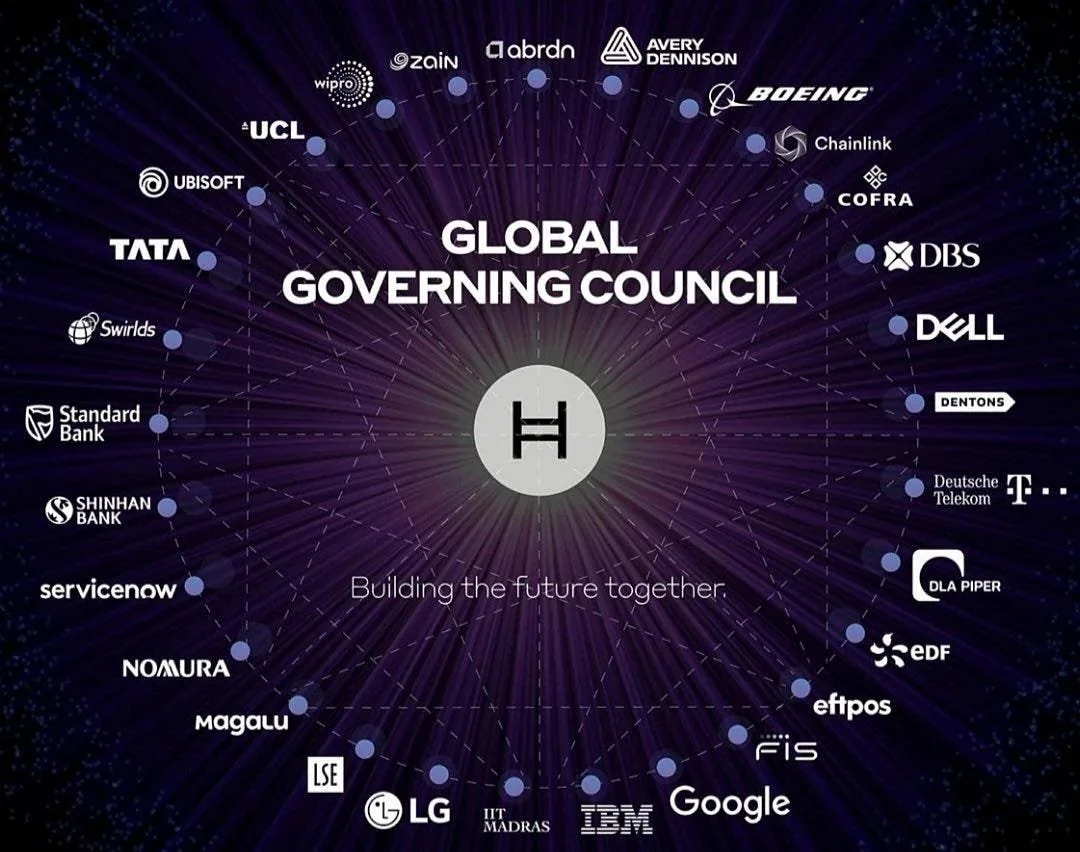
This is why governments, banks, and global corporations are all exploring blockchain.
It’s not because they suddenly love crypto — it’s because they finally see a system that runs on proof instead of promises.
Final Thought
Blockchain is more than a buzzword.
It’s the foundation for the next internet — the Internet of Value, where information and money move together, securely and instantly.
It’s not about getting rich.
It’s about getting real.
Once you understand blockchain, the rest of crypto finally makes sense.
It’s the engine that drives it all.