





When Wall Street Meets Crypto: The Next Evolution of Finance
For years, crypto lived outside the traditional financial system — a new frontier powered by innovators, traders, and tech enthusiasts. But today, the biggest banks and asset managers in the world are joining in.
When Wall Street enters a market, it doesn’t do it for fun. It does it for scale, liquidity, and profit.
Crypto has reached that stage.
The Turning Point
In 2021, most large financial firms were still skeptical. By 2025, skepticism has turned into participation.
Names like BlackRock, Fidelity, JPMorgan, Citibank, and Franklin Templeton are no longer experimenting — they’re integrating blockchain into their core systems.
The reason is simple:
The technology works — and the demand is real.
Understanding Crypto Custody
Before institutions can invest, they need custody — a secure, regulated way to hold digital assets.
Custody is what banks already do for stocks, bonds, and gold.
Now, they’re doing it for Bitcoin, Ethereum, XRP, and tokenized assets.
Example:
Citibank has built crypto custody infrastructure for global clients.
This allows pension funds, endowments, and asset managers to hold digital assets safely, meeting all regulatory standards.
Custody gives institutions confidence.
It removes the “wild west” image and replaces it with compliance and accountability.
Once custody arrived — institutional money followed.
ETFs: The Gateway for the Masses
An ETF (Exchange-Traded Fund) lets investors gain exposure to an asset — like gold, oil, or now crypto — without owning it directly.
When Bitcoin ETFs launched, they opened the door for retirement accounts, financial advisors, and mutual funds to invest with ease.
Now, similar filings for XRP, Ethereum, and other digital assets are moving through the approval process.
These funds must hold real crypto behind the scenes — creating long-term demand and liquidity.
That’s why ETFs are called:
“The bridge to mainstream adoption.”
They don’t just attract investors — they legitimize the entire asset class.
Institutional Interest in Tokenization
Beyond crypto investing, the real prize for Wall Street is tokenization.
Banks are exploring how to represent real-world assets — like bonds, currencies, and funds — on the blockchain.
This enables:
- Faster settlement
- Fewer intermediaries
- 24/7 trading
Examples:
- JPMorgan’s Onyx platform
- BlackRock’s tokenized funds
- Citi’s digital asset division
These aren’t startups — they’re multi-trillion-dollar institutions rebuilding their infrastructure on distributed ledgers.
That’s not a trend. That’s the new financial architecture.
The New Financial Stack
The financial system is quietly being re-architected into three layers:
- Base Layer:
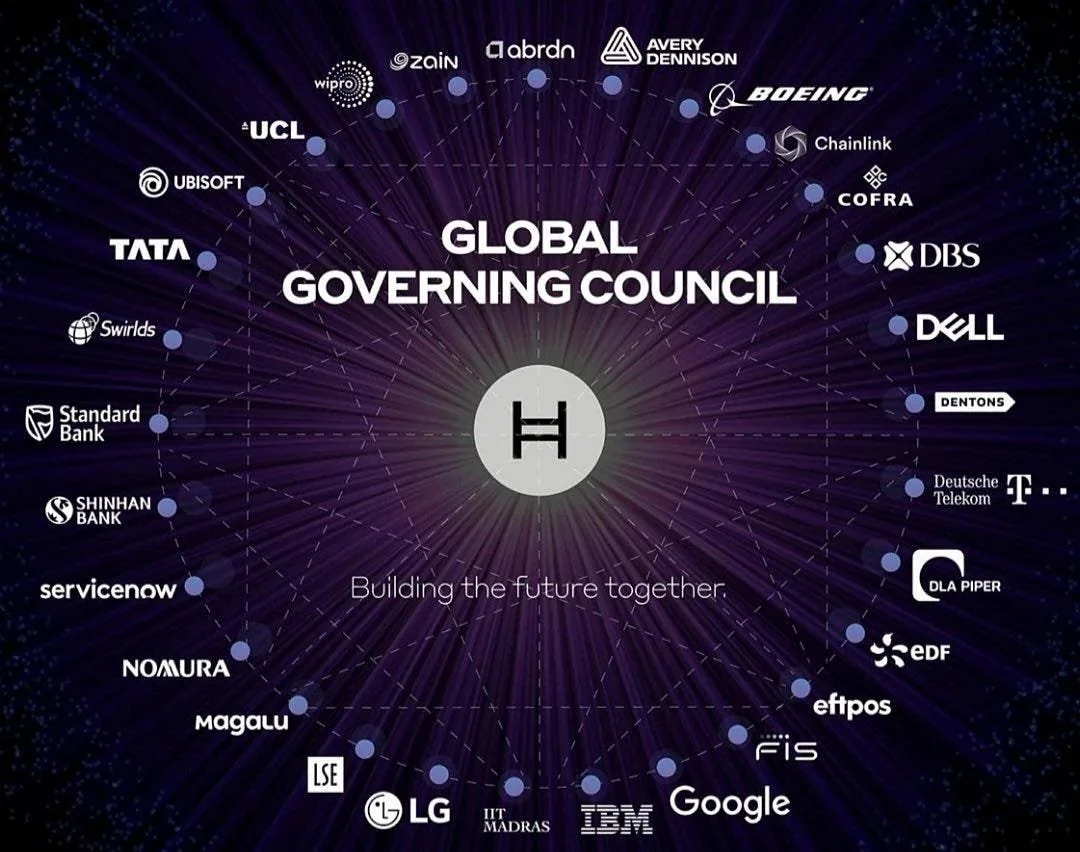
Blockchains like Ethereum, XRP Ledger, Hedera, and Stellar — handling transactions and settlement. - Middle Layer:
Regulated custodians and tokenization platforms — operated by major banks. - Top Layer:
ETFs, payment apps, and investment tools — connecting consumers and institutions seamlessly.
Together, this stack connects old finance to new finance — creating what many call the Internet of Value.
Why It Matters
When Wall Street joins a movement, it doesn’t change direction — it changes speed.
Institutional adoption means:
Real money
Regulatory
clarity
It means blockchain isn’t “alternative” anymore — it’s infrastructure.
For investors, this marks the shift from speculation to integration. Crypto is no longer fringe — it’s becoming foundational.
Final Thought
The biggest signal that crypto has gone mainstream isn’t a price chart — it’s a balance sheet.
When the same firms that manage trillions in traditional assets begin holding and issuing digital ones, the transformation is already underway.
Wall Street isn’t early to this story. It’s just early enough to win the next chapter.
And for those who understand where this is going — the bridge between blockchain and traditional finance isn’t something to wait for…
It’s something to walk across right now.