





Bitcoin, Ethereum & XRP: The Three Pillars of Crypto
By now, you understand what money is and how blockchain works.
Now it’s time to meet the main characters of the crypto world — three names you’ve probably heard before: Bitcoin, Ethereum, and XRP.
They all live on blockchains.
They all move value.
But they each serve a completely different purpose.
Bitcoin: The Digital Gold
Bitcoin was the first.
It’s slow, simple, and intentionally limited — and that’s what makes it powerful.
Think of Bitcoin as digital gold.
It isn’t meant to run apps or process millions of transactions per second.
It’s meant to hold value securely, without needing a government or bank.
There will only ever be 21 million Bitcoins in existence.
That fixed supply makes it scarce, just like gold — but much easier to move across the world.
Bitcoin is the store of value — the foundation that proved money could live on the internet.
Ethereum: The Smart Contract Platform
Ethereum took Bitcoin’s foundation and asked a bold question:
“What if money could think?”
Ethereum introduced smart contracts — small programs that live on the blockchain and automatically execute when certain conditions are met.
Example:
Imagine buying a concert ticket through a smart contract.
Once your payment is confirmed, the digital ticket is instantly delivered to your wallet — no middleman, no waiting, no trust issues.
That’s the heart of Ethereum.
It’s not just digital money — it’s a decentralized computer that runs code and powers an entire ecosystem of apps, games, and finance tools known as DeFi (Decentralized Finance).
If Bitcoin is digital gold, Ethereum is the digital engine driving innovation.
XRP: The Bridge for Global Payments
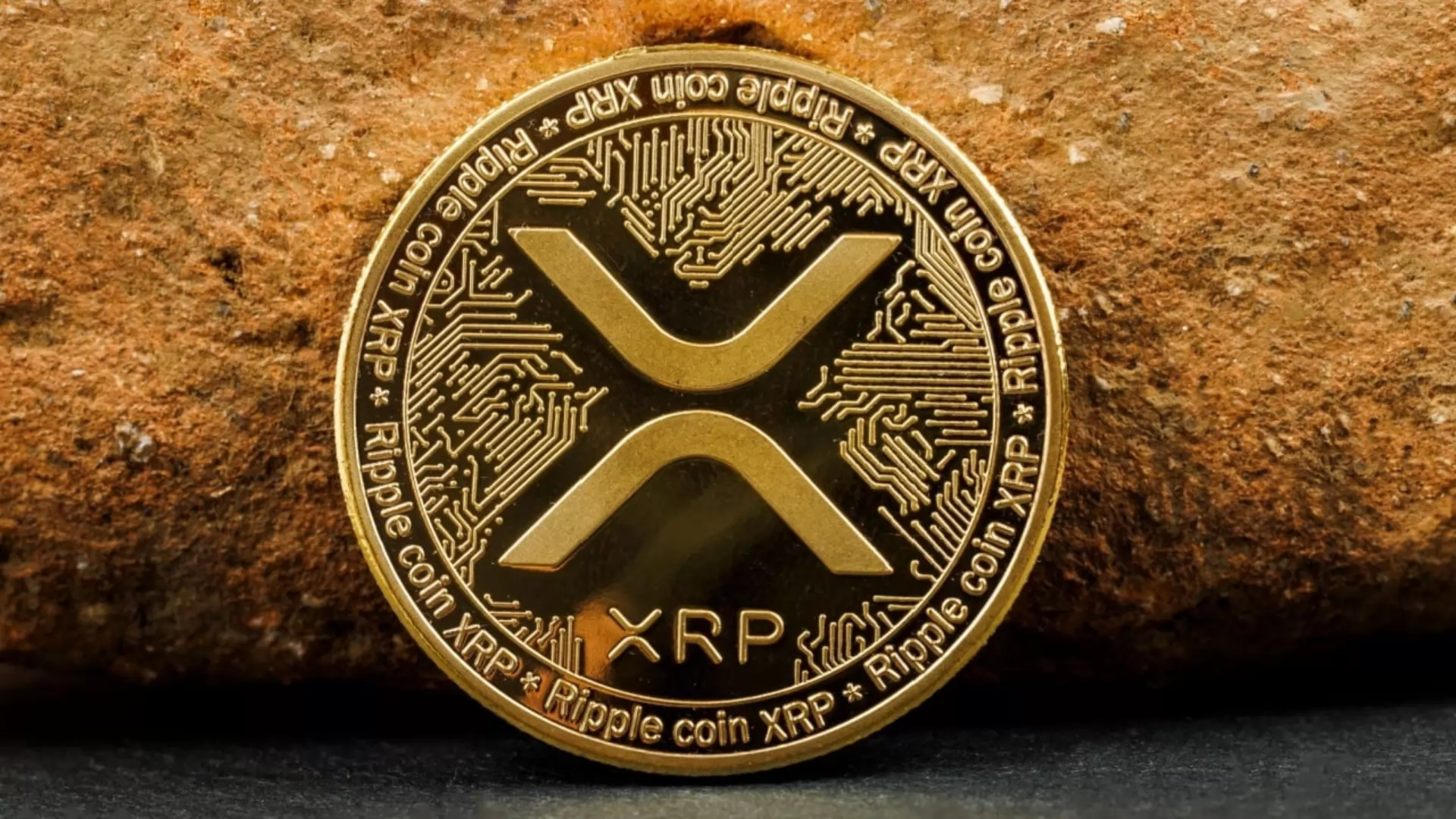
While Bitcoin stores value and Ethereum builds systems, XRP solves a different problem — moving money across borders quickly and cheaply.
Banks, payment networks, and even governments use the XRP Ledger to settle transactions in seconds instead of days.
Here’s how it works:
If a bank in Japan wants to send dollars to Mexico, it can use XRP as a bridge currency — converting yen to XRP, then XRP to pesos — all within a few seconds.
No middlemen.
No waiting for wire transfers.
No massive fees.
Ripple, the company behind XRP’s ecosystem, focuses on connecting financial institutions, while XRP itself functions independently on a decentralized ledger.
If Bitcoin is digital gold and Ethereum is the digital engine, XRP is the digital bridge connecting the old world to the new.
How They Work Together
These three aren’t competitors — they’re complements.
- Bitcoin proves value can exist digitally.
- Ethereum proves code can replace contracts.
- XRP proves money can move instantly and globally.
Together, they represent three pillars of crypto evolution:
Store. Build. Move.
The Big Picture
Crypto isn’t about replacing the financial system.
It’s about improving it — making it faster, fairer, and more transparent.
- Bitcoin built the foundation.
- Ethereum built the ecosystem.
- XRP built the connection to the real world.
When you understand the roles they play, you stop seeing crypto as chaos and start seeing it as coordination — a new kind of global network where value flows as freely as information.
Final Thought
Bitcoin, Ethereum, and XRP each solved a unique problem.
Together, they tell the story of how the digital economy was born.
- Bitcoin made money independent.
- Ethereum made systems decentralized.
- XRP made transactions borderless.
That’s not competition.
That’s progress.
And it’s only the beginning.